Introduction
A website URL is a tool that lets the users distinguish between different sites, realize what kind of information they could expect from them, and even consider it a worthwhile click.
But is there a limit to the characters that website owners can choose for their own address or specific paths? Can they use emojis or even foreign letters in URLs?
Everything depends on the website address part: a domain name or a specific path
In this article, we are going to discuss domain and path rules, explain why strange characters could be confusing, and see what is the best practice for SEO.
1. Domain Names and URL Paths: What Is the Difference?
First of all, let us clearly define the difference between a website domain name and a URL path. Take a look at this example:
https://example.com/products/wire-cable
A domain name is example.com : it is what makes the website unique on the internet. Products/wire-cable is the URL path: it helps determine the specific page/resource/server.
Domain names and URL paths have different requirements.
While the former should meet the global standards, the latter is much more flexible.
Although using unconventional symbols may seem a good way to attract the attention of your target audience, it could also have negative consequences: poor user experience, confusion, misunderstanding, etc.
2. The Technical Rules Behind the Domain Names
Domain names are standardized under the network standards developed by ICANN (Internet Corporation for Assigned Names and Numbers) and IETF (Internet Engineering Task Force).
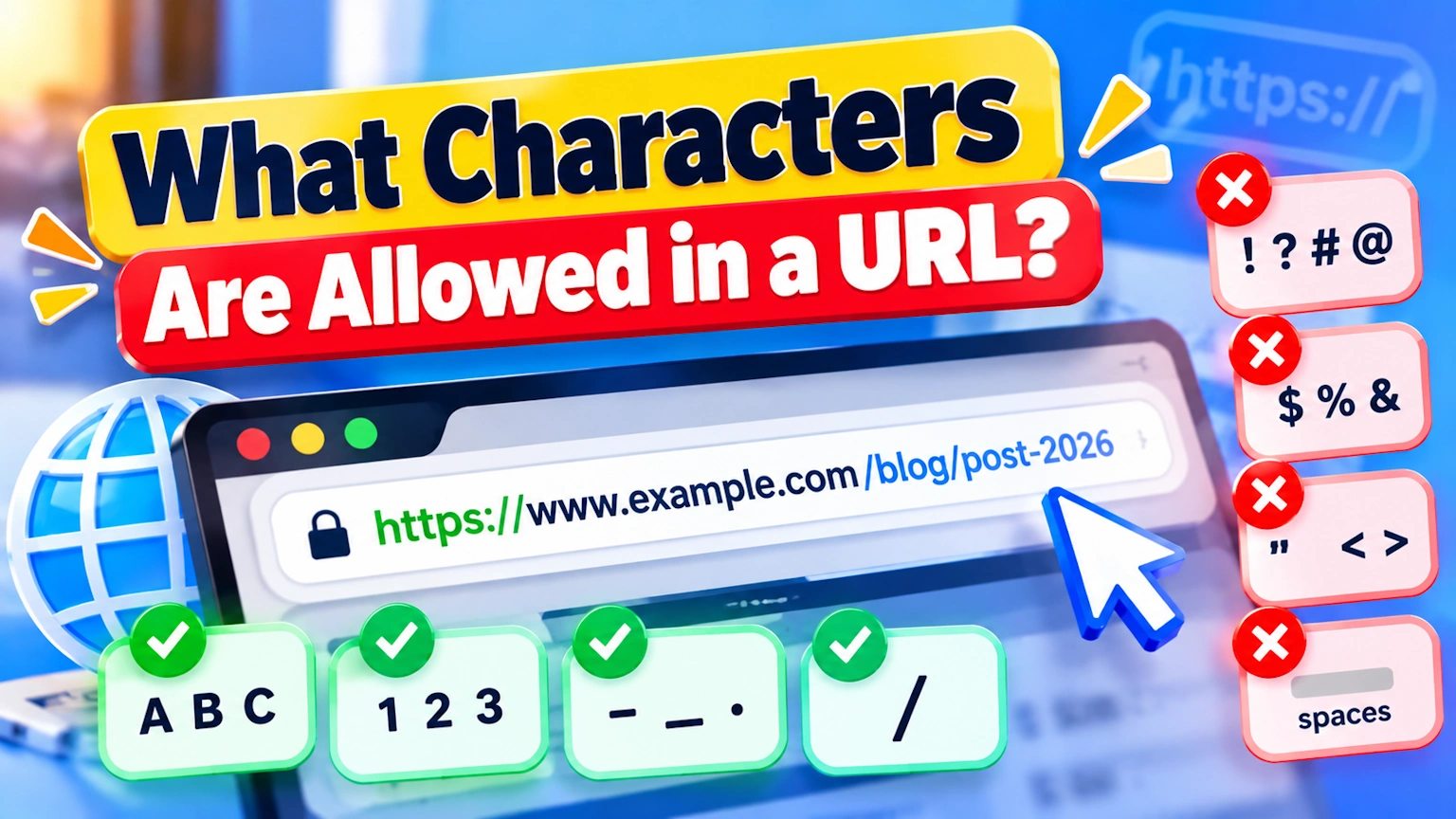
Most common domain name letters are A-Z, digits 0-9, and hyphens.
Underscores are considered invalid in host names.
The reason for such regulation is simple: every domain name should comply with technical/software requirements needed for its proper functioning.
A domain name should be easy to type and help create the image of the website.
Therefore, a domain name with unique special characters is not necessarily better than a simple one.
3. Non-English Characters in Domain Names: Could They Be Helpful?
You may notice that not all domain names are written in English.
There are special international domain name extensions introduced for a wide range of local languages.
Such domain names are encoded in Punycode to make sure that they could also work in the English language environment.
For example, you may see xn--mxcawbzbzva in the address instead of international characters.
However, when such a website is opened in a browser, it would show the international letters, numbers, or symbols.
Internationalized domain names could be a good option for some business owners since they would speak directly to the target audience.
Therefore, choosing such an option may lead to a stronger brand image and better SEO.
Keep in mind that different languages could have similar-looking characters.
It may create some confusion, especially if there are typos involved. Make sure to select a domain name that your customers would actually recognize.
4. Emojis and Their Role in Domain Names
Emojis are widely used in texts and social media posts, so it may seem logical to enter them into the domain name. However, emojis are not supported in the domain name system.
Some company owners could be tempted to register a domain name with fire emojis or animal ones. Even if Punycode is applied for domain name conversion, it would not be efficient since Punycode specification does not approve emojis.
As a result, you get a Punycode version of the website, but the characters that you see in your browser would be completely different.
This means that businesses should not invest their time and money into creating such domain names.
If you want to promote your business with the help of emojis, you should pay attention to URL paths.
Still, the general rule is clear: choose the domain name that is easy to spell, read, pronounce, and recognize.
5. Can Keywords in a URL Improve Search Rankings?
Website owners often believe that they need to stuff their domain and URL with keywords to make sure that Google and other search engines can find and rank them higher in search results.
However, this theory does not work for domain names and URLs. A domain name or a URL with many keywords will not necessarily rank higher than a simple one.
Keywords in URLs are a minor factor in SEO. The content and other optimization techniques are much more important.
However, if you still want to implement keywords into your URLs, you could do it with care.
Make sure to insert a relevant keyword with clear indications of what your page is about. Avoid using too many keywords in a single URL/path.
As for domain names, try to keep it short and simple. Create readable addresses that will be easy for your target audience to remember.
In general, make sure to invest more effort into creating valuable content and providing the best user experience on your website than optimizing the URLs for keywords.
6. URL Paths: More Flexible Character Sets
When you start moving from a domain name to a specific page, you will see that the rules for URLs are quite different.
URL paths are more flexible and can support a wide range of characters, symbols, and even emojis.
You can also use supported Unicode and percent-encoded characters for such URLs.
Percent encoding makes sure that different browsers and software can recognize a specific character.
To put it simply, an emoji is a picture, but to make it suitable for a URL path, browsers use percent encoding: they replace it with %xy, where xy is a percent-encoded representation of the encoded character (often UTF-8).
Google supports valid Unicode URL paths, which means that it will recognize your web address, even if it has emojis.
However, it is always important to remember that just having non-standard characters is not enough – to promote your page successfully, you need to take care of its content, make it readable, and optimize it for SEO.
7. Why You Should Think Twice Before Using Emojis in URLs
Although you can use emojis in the URL path, it is not recommended.
While there is nothing technically wrong with such URLs, they may confuse your target audience and even hinder their experience on your website.
Make sure to keep in mind the following reasons why you should avoid using emojis in your URLs.
First of all, each website visitor may see different characters in their browser.
It often depends on the media that they use, such as messengers or social media.
Some people may see emojis, while others may only see encoded characters.
Second, a URL with encoded characters may become too long and contain various special symbols.
Such an address will be almost impossible for your target audience to read, let alone remember or share.
Third, when you share links in emails, messengers, or social media, their appearance may change completely.
As a result, your customers may not know what kind of link you sent them or if it is safe.
Finally, a website address with special characters is not a good option: you will not be able to clearly communicate to your audience where exactly the link will take them.
8. The SEO-Friendly URL Tips
When you want to optimize and standardize your URLs, keep a few general rules in mind.
First, make sure that your URLs are easy to read: avoid random characters and long paths.
Second, they should clearly state what users can expect from the content: choose the right words. Hyphens are your best friends when you want to separate distinct terms.
Third, do not stuff your URLs with keywords, but use them wisely. As mentioned above, keywords in URLs are an insignificant factor in SEO. If you still want to use them, make sure not to abuse them.
Fourth, when you choose internationalized domain names and special Unicode characters, make sure to consider the preferences of your target audience.
Fifth, avoid emojis in your domain name. Sixth, remember that special characters are not always necessary for your URL path.
Seventh, always prioritize the needs of your target audience: make your URLs simple and readable.
Finally, do not forget about the general structure of your URLs: choose the best system for your website.